Business Guidance
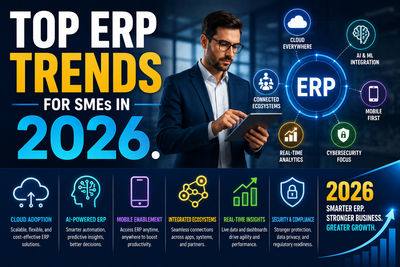
Enterprise Resource Planning (ERP) systems have evolved significantly over the past decade. What was once considered a tool primarily for large enterprises has become an essential platform for small and medium-sized businesses (SMEs) looking to improve efficiency, gain better visibility, and support growth. As technology continues to advance, ERP solutions are becoming smarter, more accessible, and more focused on delivering real-time business insights.
Read More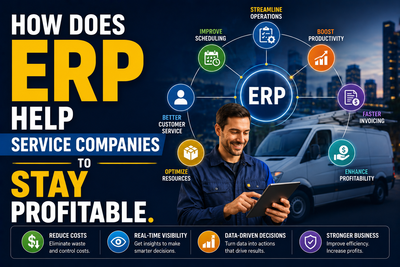
ERP (Enterprise Resource Planning) systems help service companies stay profitable by giving them better visibility, control, and efficiency across their operations. Unlike product-based businesses, service companies sell time, expertise, and resources, making it critical to manage utilization, costs, and customer relationships effectively.
Read More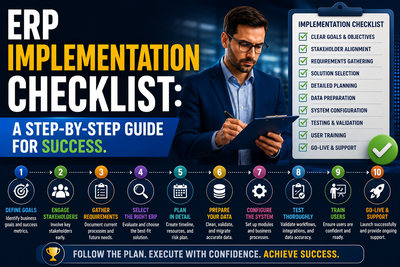
Implementing an ERP system is one of the most important investments a business can make. A successful ERP implementation can improve efficiency, increase visibility, and support long-term growth. However, without proper planning and preparation, ERP projects can face delays, budget overruns, and user adoption challenges. Use this checklist to help ensure your ERP implementation is structured, organized, and positioned for success.
Read More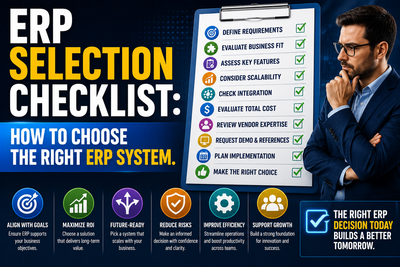
support long-term growth. The wrong choice can lead to frustration, cost overruns, and limited business value.
Read More